.png)


Adopt
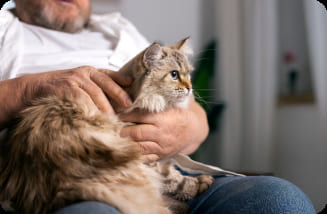
Animal adoption is the process of providing a permanent home for a stray animal from a shelter or rescue organization.
Foster
Foster care services for animals and providing appropriate care for them.
Caretaker
Volunteer to help raise animals and provide them with proper care.
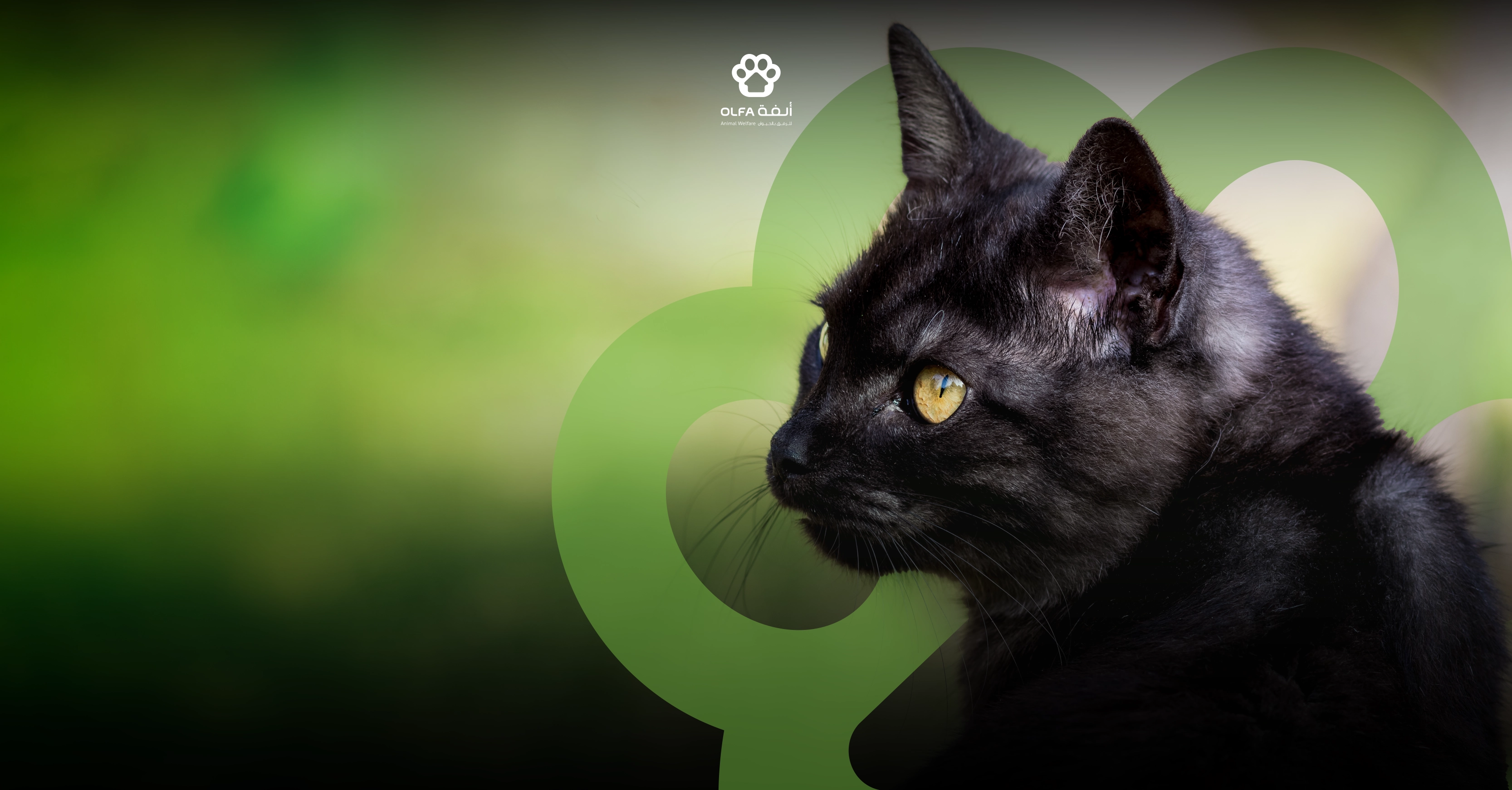
Black Cats: What Color Doesn’t Tell Us
unknown dateWhen we look at a group of cats, first impressions begin before introductions do. Our eyes register color, size, and physical features within seconds, while personality takes much longer to reveal itself. This means that part of our impression of a cat may form before we have even approached or learned anything about them.
When we look at a group of cats, first impressions begin before introductions do.
Our eyes register color, size, and physical features within seconds, while personality takes much longer to reveal itself. This means that part of our impression of a cat may form before we have even approached or learned anything about them.
On Black Cat Appreciation Day, this is worth reflecting on.
Not because the color black tells us anything about a cat, but because it may influence the way we see them.
Where Did the Stereotype Come From?
Across different periods of folklore and history, black cats have been associated with myths and superstitions. Some of these associations appeared in parts of European culture and were later carried forward through literature, art, and popular culture.
Today, most people may not believe in these superstitions at all. But stereotypes do not always require conscious belief to influence an impression.
Sometimes, the explanation is even simpler: certain colors and physical features may attract our attention more quickly, whether in a photograph or during a first encounter.
This is where color can quietly influence what happens next.
It may not appear as an explicit rejection of a black cat. Instead, someone may simply look past them more quickly or pause at another cat first.
When that happens repeatedly, a small moment of being overlooked can gradually become a longer wait.
When the Photograph Does Not Do Them Justice
There is another factor that can make black cats less visually noticeable, and it has nothing to do with superstition: photography.
Black fur requires greater attention to lighting, exposure, and camera angle for facial features and eyes to appear clearly. In poor lighting, those features can become less defined, and the details that give each cat their individual expression may be lost.
This matters more than it might seem.
Today, a photograph is often the first introduction between a person and an animal. It can spark curiosity, lead to a question, and perhaps encourage someone to learn more.
When a photograph does not represent a cat well, that first impression is incomplete.
Good lighting and thoughtful photography are therefore more than aesthetic considerations in animal welfare. They are part of giving every animal a fair opportunity to be seen.
Does Color Tell Us Anything About Personality?
The short answer is: not in a way we can reliably use to understand an individual cat.
Coat color is a physical characteristic. It is not a reliable indicator of whether a cat will be calm or energetic, social or reserved, or more or less comfortable around people.
A cat’s behavior and personality are far more complex. They are influenced by multiple factors, including individual characteristics, early experiences, previous interactions, current environment, the way the cat has been handled, and their health.
So when we want to understand a cat, there are much more useful questions to ask than what color they are:
How do they respond to someone new?
Do they seek interaction, or prefer to initiate it themselves?
How do they behave when they feel stressed?
What helps them feel secure?
What level of activity suits them?
These details tell us far more about a cat than the color of their coat ever could.
Personality Needs a Chance to Appear
Even when we look beyond color, a first encounter is rarely enough to understand a cat’s personality.
A cat in a care environment may be experiencing some level of stress. They may appear withdrawn or cautious during an initial meeting, yet behave very differently once they feel secure or when they are around people they know.
This is why daily observation matters.
The team caring for a cat over time can see the details that may not appear within a few minutes: how the cat responds when frightened, what helps them relax, how they react to unfamiliar people, when they seek closeness, and when they need space.
So before forming an opinion from a brief encounter, ask about them.
Some of the most important things to know about a cat cannot be seen in a photograph or discovered within the first few minutes.
A Better Choice Starts with Compatibility
When considering adoption, the most useful question is not only:
Which cat caught my attention?
It is also:
Which cat’s personality and needs are compatible with my lifestyle?
A calm cat may feel more comfortable in a quieter home, while a highly active cat may need an environment that can provide more opportunities for activity and enrichment. Some cats actively seek frequent interaction, while others may prefer a quieter relationship with more personal space.
This is where compatibility between an animal’s needs and a family’s lifestyle becomes important.
This perspective also aligns with the Five Domains Model of Animal Welfare, which recognizes behavioral interactions and mental state as fundamental parts of an animal’s welfare and overall experience. The right home is not simply one that opens its door to a cat; it is one that can provide an environment in which that cat can live with stability and wellbeing.
Look Again
On Black Cat Appreciation Day, perhaps the message is not that we should choose a black cat because they are black.
That would still make color the basis of the decision.
Perhaps the more important message is much simpler:
Do not let color make the decision for you.
Ask about personality.
Take the time to get to know the cat.
Give them a chance before forming an impression.
And consider compatibility before appearance.
At OLFA, we see this as part of our responsibility too: to present every animal as an individual, not simply as a color or an image; to understand their personality and needs, and to share that knowledge in a way that helps others see them more completely.
Because a black cat does not need to be seen differently.
They simply need to be seen for who they are.
Together, We Make a Difference
Have a question, want to report a stray, or ready to adopt? OLFA's team is here to help you every step of the way.