.png)

Adopt
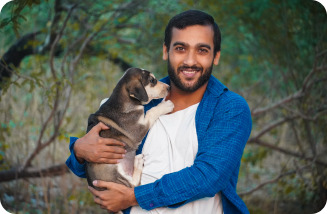
Animal adoption is the process of providing a permanent home for a stray animal from a shelter or rescue organization.
Foster
Foster care services for animals and providing appropriate care for them.
Caretaker
Volunteer to help raise animals and provide them with proper care.
Choosing the Right Adopter Doesn’t Require Interrogation — Just Smart Questions
unknown dateThe right questions don’t complicate adoption, they protect it. When asked the right way, questions can prevent serious harm, reduce returns, safeguard animal well-being, and create a lasting positive impact on society.
The right questions don’t complicate adoption, they protect it. When asked the right way, questions can prevent serious harm, reduce returns, safeguard animal well-being, and create a lasting positive impact on society. Choosing an adopter is not about suspicion or testing. The goal is not to make people feel "under evaluation," but rather to give the animal a real chance at a stable life, and to help the adopter make a conscious, informed decision. Because the worst outcome isn’t the animal staying in care a little longer, it’s when the animal returns to the streets, gets rehomed after beginning to bond, or comes back in worse psychological or physical condition that could have been avoided. Positive, respectful evaluation protects both the animal and the person. It also protects the integrity of the rescue work itself, by minimizing failed adoptions and transforming adoption into a conscious, responsible act not just an impulsive emotional decision. Below is a practical, balanced framework for selecting the right adopter and preventing the most common causes of adoption failure
Start with an Honest, Accurate Description of the Animal
Before you ask any questions, be completely clear about the animal’s needs and limitations. Not every home is suitable for every animal — and that’s a fact that protects everyone.
Be aware and transparent about:
- Activity level and daily exercise needs
- Tolerance for handling and physical contact
- Sensitivity to loud noises, crowds, or sudden movements
- Suitability for children, and under what conditions
- Any medical history, current treatments, or special care needs
Honesty here is not a drawback — it’s protection. It prevents disappointment, reduces trauma from unrealistic expectations, and helps the adopter make a decision they can truly sustain.
A simple rule that helps a lot: State the reality, don’t exaggerate. If the animal adapts faster than expected, the adopter will feel successful. But if things are painted as “too easy,” and natural challenges arise, they may give up.
Ask About Lifestyle, Not the Ideal Scenario
Avoid questions that lead to idealized answers, people will naturally say what sounds “right.” Instead, ask about the real, day-to-day situation.
Examples of natural, non-threatening questions:
- How many hours a day is the house usually empty?
- Are there young children? How do they interact with animals?
- Are there other pets? How will resources be managed?
- What’s your plan for veterinary visits if the animal gets sick?
- What do you expect in the first week? Do you expect immediate bonding and perfect behavior?
These questions reveal readiness without pressure, and open the door for education — not interrogation.
Test Expectations in Just One Minute
You don’t need a long conversation. A single well-placed question may be enough: “The first week may involve hiding, anxiety, or a temporary loss of appetite. Can you handle that calmly, without punishment or pressure?” If the reaction is immediate refusal or overly idealistic expectations, the person is likely not ready yet. This is not a moral judgment, it’s a form of protection.
Watch for Common Red Flags Some warning signs appear repeatedly — and they don’t need debate, just clear, respectful boundaries.
Most common red flags:
- Insisting on taking the animal “today,” with no preparation
- Refusing the idea of returning the animal to the rescue or agency if issues arise
- Downplaying the importance of veterinary care or preventive check-ups - Viewing punishment as the first solution for natural adjustment behaviors
When these signs appear, be brief, respectful, and clear: Thank them, explain that your priority is stability, and offer to reconnect later or suggest a different animal if appropriate.
Use a Simple Agreement That Protects Both Parties
A short-written agreement doesn’t mean distrust, It means clarity in the relationship. Clarity prevents rushed decisions in times of stress.
Keep it light and practical (two or three lines):
- If problems arise, the animal returns to the rescuer or agency — not to the streets
- Spay/neuter at the appropriate age, according to professional recommendations
- Commitment to minimum standards of health and preventive care
This gives the adopter a clear framework, and gives you a safety net to protect the animal if circumstances change.
Follow Up After Adoption to Increase Success Chances
Many adoptions fail because small problems grow silently into big ones. A simple follow-up message can prevent that.
Check in after one week, then after one month:
- How is eating and drinking going?
- What’s the sleep and daily routine like?
- Any issues with the litter box or urination?
- Has a vet visit happened, or have any health concerns appeared?
Follow-up turns stress into support.
It makes the adopter feel they’re not alone, and helps prevent small issues from becoming reasons for rehoming.
If you work with an organization, consider creating a standard follow-up message template. Consistency increases success rates.
Final takeaway
Choosing the right adopter is not about being strict — It’s about being wisely compassionate. A few respectful questions, asked the right way, Can prevent serious harm. Reduce returns, protect animal well-being, And build healthier, long-term outcomes for the entire community.
Together, We Make a Difference
Have a question, want to report a stray, or ready to adopt? OLFA's team is here to help you every step of the way.