.png)


Adopt
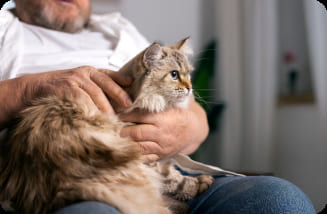
Animal adoption is the process of providing a permanent home for a stray animal from a shelter or rescue organization.
Foster
Foster care services for animals and providing appropriate care for them.
Caretaker
Volunteer to help raise animals and provide them with proper care.
Companion Animal Welfare: A Guide to Responsible Pet Ownership
unknown dateCompanion animals, such as dogs and cats, have become an integral part of many people's lives. However, owning a pet comes with significant responsibilities. Responsible pet ownership involves providing adequate care, ensuring their well-being, and preventing overpopulation.
Companion animals, such as dogs and cats, have become an integral part of many people's lives. However, owning a pet comes with significant responsibilities. Responsible pet ownership involves providing adequate care, ensuring their well-being, and preventing overpopulation. Key Aspects of Responsible Pet Ownership 1. Adequate Shelter: Indoor vs. Outdoor: The decision to keep a pet indoors or outdoors depends on various factors, including climate, breed, and individual needs. Safe and Comfortable Environment: Ensure the pet's living space is clean, dry, and free from hazards. Protection from Extreme Weather: Provide adequate shelter during extreme weather conditions, such as heat, cold, or storms. 2. Proper Diet: Nutritional Needs: Consult with a veterinarian to determine the specific dietary requirements of your pet, considering factors such as age, breed, and health conditions. Quality Food: Choose high-quality, balanced diets that meet all nutritional needs. Fresh Water: Always provide access to clean, fresh water. 3. Regular Veterinary Care: Preventive Care: Schedule regular check-ups, vaccinations, and dental care. Early Detection of Health Issues: Promptly address any signs of illness or injury. Spay/Neuter: This procedure helps prevent overpopulation and reduces the risk of certain health problems. 4. Mental and Emotional Well-being: Socialization: Expose your pet to various people, animals, and environments to promote good behavior and reduce anxiety. Regular Exercise: Provide opportunities for physical activity to keep your pet healthy and happy. Mental Stimulation: Engage your pet's mind through training, puzzle toys, and interactive play. 5. Addressing Overpopulation: Spay/Neuter: This is the most effective way to prevent unwanted litters and reduce the number of homeless animals. Responsible Breeding: If you choose to breed your pet, ensure it is done ethically and responsibly. Adoption: Consider adopting a pet from a local animal shelter or rescue organization. The Impact of Irresponsible Pet Ownership Irresponsible pet ownership can lead to a variety of problems, including: Overpopulation: Unwanted litters contribute to the overpopulation of animals in shelters and on the streets. Animal Cruelty: Neglect and abuse can cause significant suffering to animals. Environmental Impact: Uncontrolled pet populations can negatively impact wildlife and ecosystems. By practicing responsible pet ownership, we can ensure the well-being of our companion animals and contribute to a more humane society.
Together, We Make a Difference
Have a question, want to report a stray, or ready to adopt? OLFA's team is here to help you every step of the way.