.png)



Adopt
Animal adoption is the process of providing a permanent home for a stray animal from a shelter or rescue organization.
Foster
Foster care services for animals and providing appropriate care for them.
Caretaker
Volunteer to help raise animals and provide them with proper care.
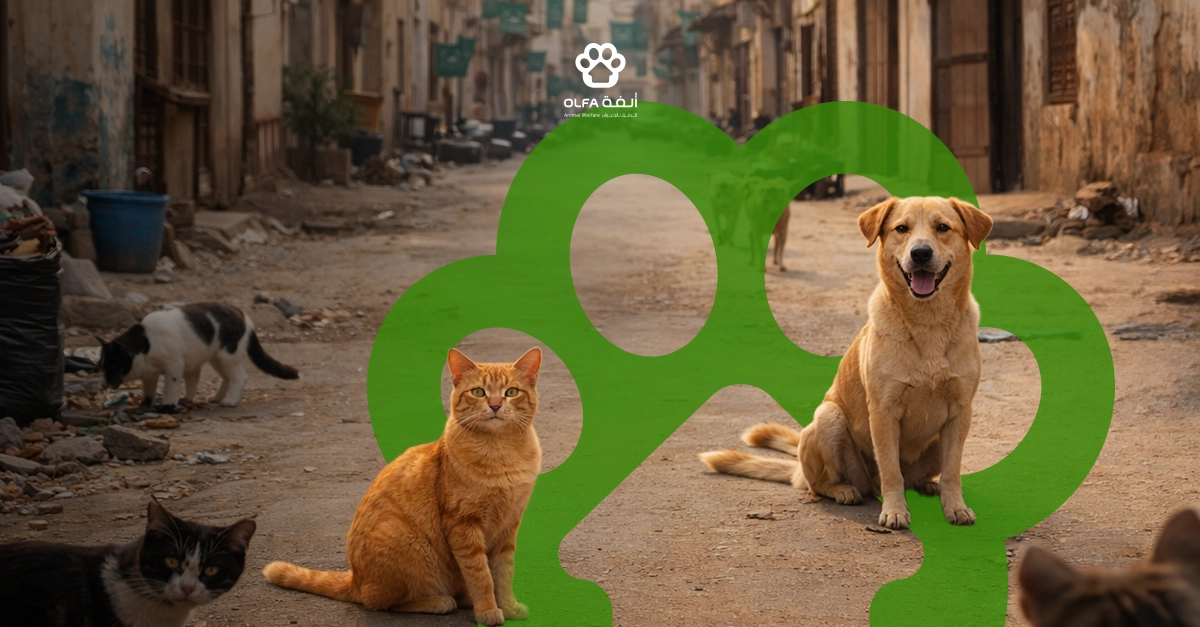
The Global Crisis of Stray Animals
unknown dateThe issue of stray animals is no longer confined to local communities, it has become a pressing global concern with humanitarian, environmental, and public health implications. In cities across the world, millions of cats and dogs roam the streets without shelter, medical care, or protection.
The issue of stray animals is no longer confined to local communities, it has become a pressing global concern with humanitarian, environmental, and public health implications. In cities across the world, millions of cats and dogs roam the streets without shelter, medical care, or protection.
This growing crisis reflects systemic gaps in animal welfare and underscores the urgent need for sustainable, community-driven interventions that address both the symptoms and root causes of stray overpopulation.
Understanding the Root Causes
Stray animal overpopulation is primarily driven by the lack of large-scale spaying and neutering programs. Without intervention, a single unsterilized animal can produce hundreds of offspring in just a few years.
Compounding this issue are practices such as pet abandonment, uncontrolled breeding, and the absence of proper identification, creating a continuous cycle of suffering and overpopulation.
Additionally, rapid urban expansion disrupts natural habitats, pushing wildlife into urban areas where they must compete for limited resources alongside domestic animals.
The Broader Impact on Cities and Communities
Stray overpopulation affects more than just animals, it has far-reaching consequences for society:
Public Health Risks: Stray animals can contribute to the spread of zoonotic diseases.
Road Safety Hazards: Animal-related accidents increase the risk of injuries and property damage.
Environmental Disruption: Stray populations can disrupt the ecological balance of urban environments.
Failing to address this issue leads to rising costs and deepening social tensions, making it imperative to act with urgency and foresight.
Toward Long-Term, Humane Solutions
Short-term measures, such as feeding stray animals, are not sufficient on their own. While compassion is essential, it must be paired with strategic action:
1. Trap–Neuter–Return (TNR) Programs: A proven method to humanely reduce stray populations and improve animal welfare.
2. Community Education: Promoting responsible pet ownership and raising awareness about the importance of sterilization.
3. Strong Animal Welfare Policies: Implementing and enforcing laws that protect animals and prevent neglect and abandonment.
The Power of Education and Collective Action
At the heart of any lasting solution lies education. When individuals understand their role in the ecosystem, communities can work together to build cities that are safe, compassionate and humane for both people and animals.
Conclusion
The stray animal crisis is a human-made problem that requires human-led solutions. By adopting sustainable strategies today, we can create urban environments where every animal is valued, protected, and given the opportunity to live with dignity.
Together, We Make a Difference
Have a question, want to report a stray, or ready to adopt? OLFA's team is here to help you every step of the way.