.png)

Adopt
Animal adoption is the process of providing a permanent home for a stray animal from a shelter or rescue organization.
Foster
Foster care services for animals and providing appropriate care for them.
Caretaker
Volunteer to help raise animals and provide them with proper care.
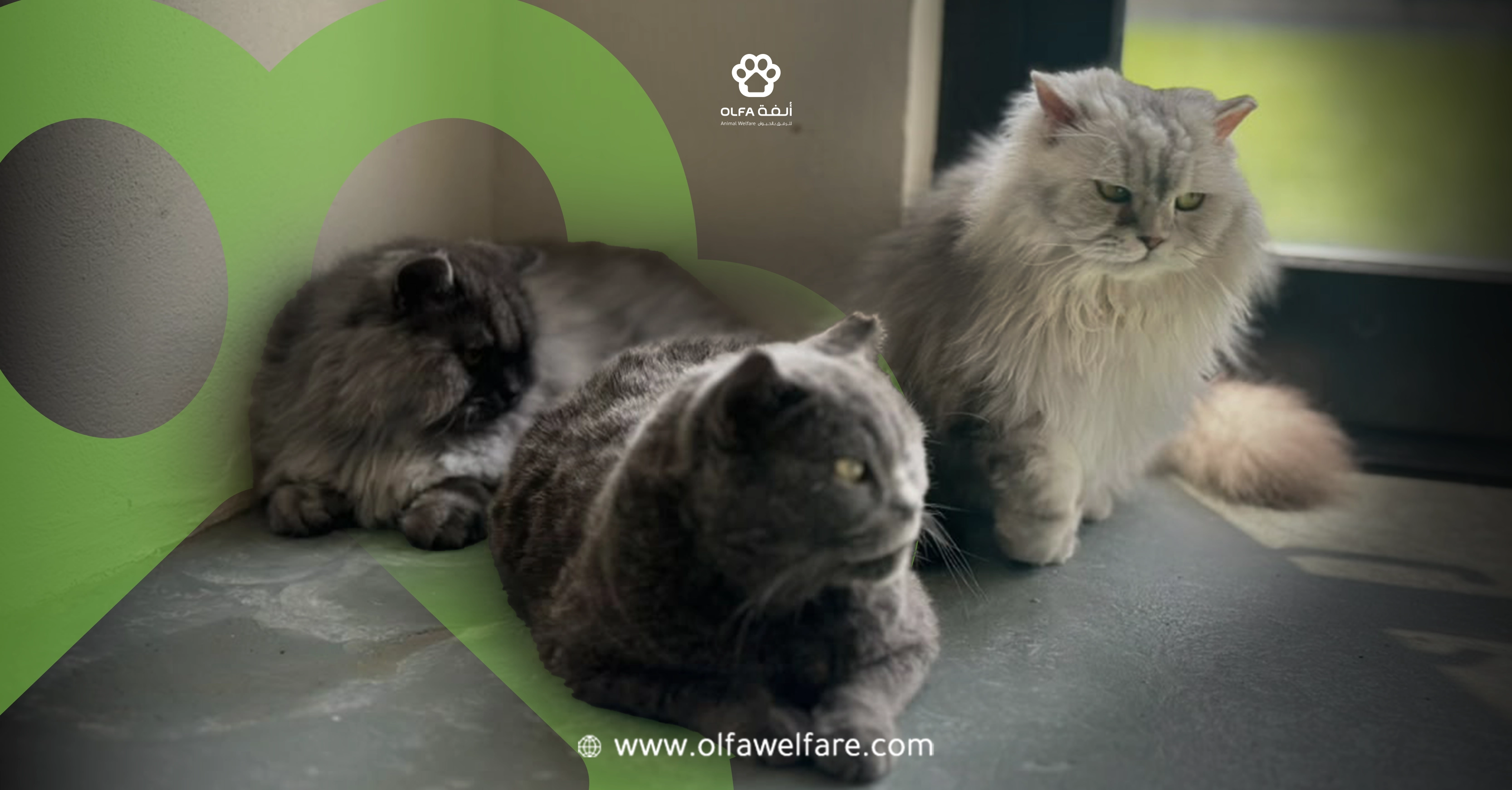
Which Companion Fits Your Life? Breed Doesn't Tell You Everything
unknown dateWhen considering bringing an animal into the home, many people begin with a familiar question: Which breed is right for me? It is an understandable place to start. A breed gives us a name, a familiar image, and information we can research before making a decision. But there is another question that may be even more useful: Which animal actually fits the life I live? Because daily life will not be shared with a breed name or a list of general characteristics. It will be shared with an individual animal-with their own personality, experiences, needs, and way of interacting with the world around them.
When considering bringing an animal into the home, many people begin with a familiar question: Which breed is right for me? It is an understandable place to start. A breed gives us a name, a familiar image, and information we can research before making a decision. But there is another question that may be even more useful: Which animal actually fits the life I live? Because daily life will not be shared with a breed name or a list of general characteristics. It will be shared with an individual animal-with their own personality, experiences, needs, and way of interacting with the world around them.
What Can Breed Tell Us-and What Can't It? Breed can provide a useful part of the picture. It may help us form general expectations about size, coat type, certain physical characteristics, and, in some cases, behavioral tendencies or activity levels. But this information alone cannot tell us how this particular animal will behave in everyday life. Are they comfortable around new people? How do they respond to noise or change? Do they actively seek interaction, or prefer more personal space? How do they respond to children or other animals? These characteristics are influenced by many factors, including the animal’s individual traits, early experiences, previous environment, health, and the way they have been handled and cared for. This is why two animals of the same breed can differ significantly in personality and needs. Breed gives us information. But it does not give us the whole animal.
When Appearance Comes Before Compatibility It is natural for appearance to play a role in what first catches our attention. We may be drawn to certain features, a particular size, or an animal that resembles the picture we already had in mind. But attraction is the beginning of an introduction. It does not necessarily have to determine the decision. An animal we are immediately drawn to may have a higher activity level than our lifestyle can accommodate, or may need more time and interaction than we can realistically provide. Meanwhile, an animal we did not initially notice may be far better suited to the environment and routine we can offer. At that point, the question shifts from: Which animal do I want? to: What kind of relationship can I realistically commit to? That question is closer to what adoption really means, because it looks beyond the moment of choosing and toward the years that may follow.
A Good Match Starts with Understanding Both Sides Finding compatibility requires more than understanding the animal. It also requires understanding the lifestyle of the family they may join. How long is the home typically empty each day? Who lives there? Are there children? What level of activity fits the household's routine? Are there other animals? And who will take responsibility for care during travel or when circumstances change? This information can then be considered alongside what the care team knows about the animal: their activity level, response to people, what helps them feel secure, how comfortable they are around other animals, and the type of environment in which they appear most settled. Sometimes, the best match will be the animal who caught the family's attention from the beginning. Sometimes, it may be an entirely different animal they had not initially considered. That is the value of matching: the goal is not to complete an adoption as quickly as possible, but to increase the chances of building a stable relationship for both sides.
Age Is Part of the Picture Too Young animals naturally attract attention, and it is easy to understand why. But age deserves to be considered as part of compatibility-not because one age is better than another, but because it affects what we can reasonably expect. Young animals are still going through important stages of growth and development. Their needs, activity levels, and some behavioral responses may change as they mature. With adult animals, certain aspects of personality, activity level, and individual needs may already be more apparent. This can help a family form more realistic expectations before making a decision. For someone looking for a calm companion, for example, an adult animal with a well-observed temperament may be a better match than a young animal whose personality is still developing. Age, then, is more than a number on an animal's profile. It is part of understanding the life we may build together.
What If There Is Already Another Animal at Home? Compatibility is not only between the family and the new animal. If another animal already lives in the home, their needs and behavior are an important part of the decision too. Some animals adapt relatively easily to a new companion. Others need significantly more time, and for some, continuously sharing their space may not be the right fit. It is therefore important to understand the new animal’s history around other animals, while also considering the behavior and needs of the animal already at home. Introductions do not have to happen all at once. In many cases, gradual introductions, separate spaces, and enough time for each animal to adjust can be more appropriate than trying to create immediate interaction. The goal is not for them to accept each other instantly. It is to give both animals the time and space they need to build a safe relationship at their own pace.
Responsible Choices Begin Before Adoption A lasting adoption does not depend on one factor alone, but it often begins with three things:
Realistic expectations: Understanding that moving into a new home requires an adjustment period, and that behavior during the first few days may not fully reflect what we will see once the animal feels secure.
Long-term commitment: Making the decision with everyday routines, travel, and future changes in mind—not simply in response to a moment of excitement.
Genuine compatibility: Choosing an animal whose needs fit the life we can realistically provide, rather than only the picture we had imagined.
This also aligns with the Five Domains Model of Animal Welfare, which recognizes behavioral interactions and mental state as fundamental components of an animal’s welfare. A suitable environment does more than provide food and shelter. It gives an animal opportunities to interact and live in ways that support their individual needs.
From Breed to Individual Breed is useful information. So are age, size, appearance, and activity level. But none of these, on its own, can tell us whether a particular animal is the right companion for a particular family. At OLFA, when we have the opportunity to support the adoption process, the goal is not simply to find an animal who matches a predetermined image. It is to understand the animal, understand the home they may enter, and find where the two align. Responsible choice does not mean ignoring breed or appearance. It means not stopping there. The right companion is not defined by a single characteristic. It is defined by the fit between the animal and the life you will share.
Together, We Make a Difference
Have a question, want to report a stray, or ready to adopt? OLFA's team is here to help you every step of the way.